
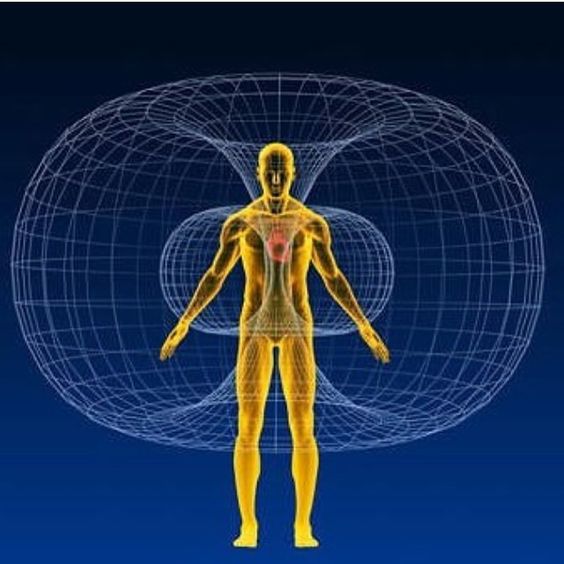
The human organism is a complex electrical system in which information flows and actions are initiated by electrical impulses. Our sensory organs act as the initial interface with the outside world, sensing stimuli and transforming them into electrical signals. These signals are then transmitted to the central nervous system (CNS), serving as a command center that processes the information and initiates appropriate responses throughout the body.
At the heart of this electrical network is the brain, the main generator of bioelectricity. It commands and coordinates bodily functions by sending electrical impulses, known as biocurrents, through the nervous system to various organs and tissues. The heart, another important generator, contributes to the overall electrical activity of the body. These biocurrents pass through the body via a complex network of nerves, similar to electrical wires, reaching every corner of the body.
The human body is composed primarily of water, an excellent conductor of electricity, facilitating efficient transmission of biocurrents. Skin with high water content plays a crucial role in the body's electrical system. Biocurrents, after passing through internal organs and tissues, eventually collect on the surface of the skin. Specialized points on the skin, known as bioactive points (BATs), absorb these biocurrents and convert electrical energy into heat, contributing to body temperature regulation.
The complex interaction between the brain, heart, sensory organs, nerves and skin creates a dynamic electrical environment in the human body. The autonomic nervous system, a subdivision of the peripheral nervous system, regulates the activity of these biocurrents and BAT, ensuring optimal functioning of the body.
Essentially, the human body is a complex electrical system where the flow of bio-currents underlies vital physiological processes. By understanding this electrical nature, we can gain deeper insight into human health and explore innovative approaches to therapeutic interventions.
Read also: Subtle energy bodies
The cardiac conduction system
At the heart of this electrical system is the cardiac conduction system. This specialized network of cells generates and conducts electrical impulses that stimulate the heart muscle to contract.
Sinoatrial (SA) node:Often called the pacemaker of the heart, the SA node is a small group of cells located in the right atrium. It generates electrical impulses at the correct rate, setting the tempo of the heartbeat.
Atrioventricular (AV) node: Located between the atria and ventricles, the AV node slows the electrical signal briefly, allowing the atria to contract completely before the ventricles begin.
His bundle:This bundle of specialized fibers carries the electrical impulse from the AV node to the ventricles.
Bundle branches:The His bundle is divided into left and right bundle branches, which conduct the impulse to the left and right ventricles, respectively.
Purkinje fibers:These fine fibers distribute the electrical impulse through the ventricular muscle, providing a coordinated contraction.
The electrical activity of the heart
The electrical activity of the heart can be visualized by an electrocardiogram (ECG or EKG). This test records the heart's electrical signals as they pass through the heart. The different waves on the ECG represent the different phases of the cardiac cycle.
P wave: Represents the electrical activity associated with atrial contraction.
QRS complex: Represents the electrical activity associated with the contraction of the ventricles.
T wave: represents the electrical recovery of the ventricles.
Any disturbance in this complex electrical system can lead to heart rhythm abnormalities, such as arrhythmias.
Want to explore how other organs or systems interact with the body's electrical system, or perhaps delve deeper into specific heart conditions?
The brain: the command centre of the body's electrical system
The brain, the most complex organ in the human body, is the main conductor of the body's electrical symphony. It generates, processes, and transmits electrical signals that control virtually every aspect of our physiology and behavior.
Neurons: the body's electrical wiring
Neurons, the basic building blocks of the nervous system, are specialized cells that communicate through electrical impulses. These impulses, known as action potentials, are generated by the rapid movement of ions across the neuron's cell membrane.
Dendrites: these branching structures receive electrical signals from other neurons.
Axon:This long, thin fiber transmits electrical impulses away from the cell body.
Synapse:The transition between two neurons where electrical signals are converted into chemical signals (neurotransmitters) and then back into electrical signals.
The electrical activity of the brain
The electrical activity of the brain can be measured using electroencephalography (EEG), which records the overall electrical activity of the brain. Different brain wave patterns are associated with different states of consciousness, such as sleep, wakefulness, and different cognitive processes.
The brain-heart connection
The brain and the heart are intricately connected through the autonomic nervous system. The brain regulates heart rate, blood pressure and cardiac output by sending electrical signals to the heart. Conversely, the heart can influence brain function through the release of hormones and neurotransmitters.
The brain and other organs
The brain also controls and coordinates the activities of other organs and systems through the nervous system. For example, it regulates digestion, respiration and immune function. Disturbances in the brain's electrical activity can lead to a wide range of neurological and psychological disorders.
The brain and other organs
The brain, as the conductor of the body's orchestra, conducts a complex symphony of interactions with other organs. Let's explore some key connections:
The brain and gut
The gut-brain axis highlights a fascinating two-way communication system. The brain influences intestinal motility, secretion and immune function via the autonomic nervous system. Conversely, the gut microbiota can produce neurotransmitters influencing mood, behavior, and even cognitive function. This complex relationship is critical to overall health and well-being.
The brain and endocrine system
The brain through the hypothalamus and pituitary gland regulates the endocrine system. Hormones secreted by these glands influence mood, metabolism, growth and reproduction. In turn, hormones can affect brain function and behavior. For example, thyroid hormones are essential for normal brain development and functioning.
The brain and the immune system: the mind-body connection
The brain plays a vital role in regulating the immune system. Stress mediated by the brain can suppress immune function, making people more susceptible to infections. Conversely, chronic inflammation can affect brain function and contribute to neurodegenerative diseases.
The brain and the respiratory system: breathing and consciousness
The brain controls the respiratory system, ensuring an adequate supply of oxygen to the body. Breathing patterns can affect brain activity, with deep breathing techniques often used in relaxation and meditation. In addition, disorders affecting the respiratory system can affect brain function, as seen in cases of sleep apnea.
The brain and the cardiovascular system: the heart-brain connection
The brain regulates heart rate, blood pressure and blood flow through the autonomic nervous system. Stress mediated by the brain can lead to increased heart rate and blood pressure, potentially contributing to cardiovascular disease. Conversely, the health of the cardiovascular system affects brain function, as adequate blood flow is essential for optimal brain function.
These are just a few examples of the complex relationships between the brain and other organs. The brain's ability to communicate and coordinate with these systems is essential for maintaining overall health and well-being.




 English
  Bulgarian