
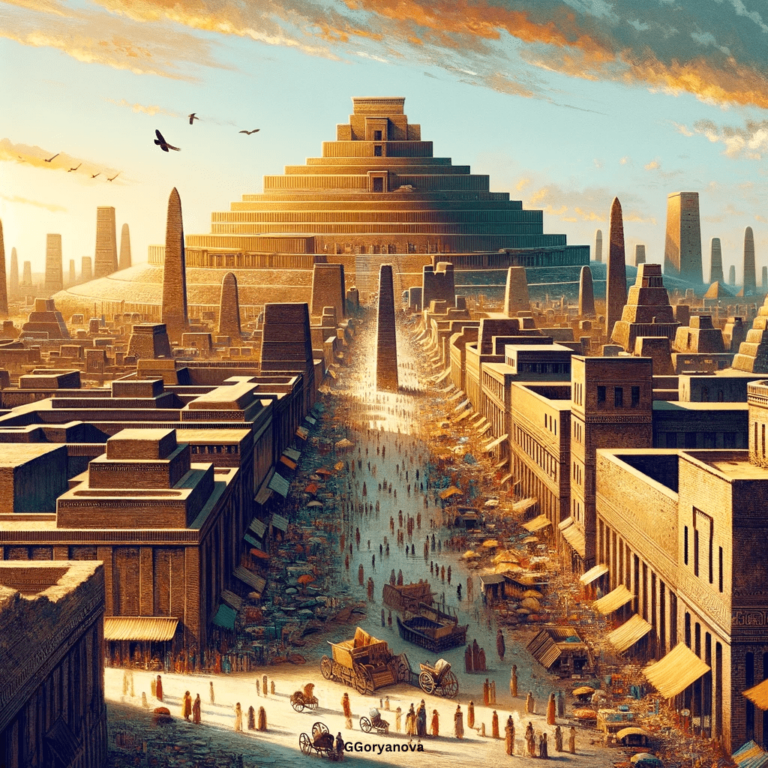
Ancient Sumerian cities, cradles of early civilization, were bustling centers of culture, commerce, and innovation, dotting the landscape of what is now southern Iraq and shaping the course of human history with their remarkable advances in urban planning, writing, and governance.
Uruk
One of the world's first great cities, Uruk was a centre of trade, politics and religion. It is often associated with the legendary King Gilgamesh.
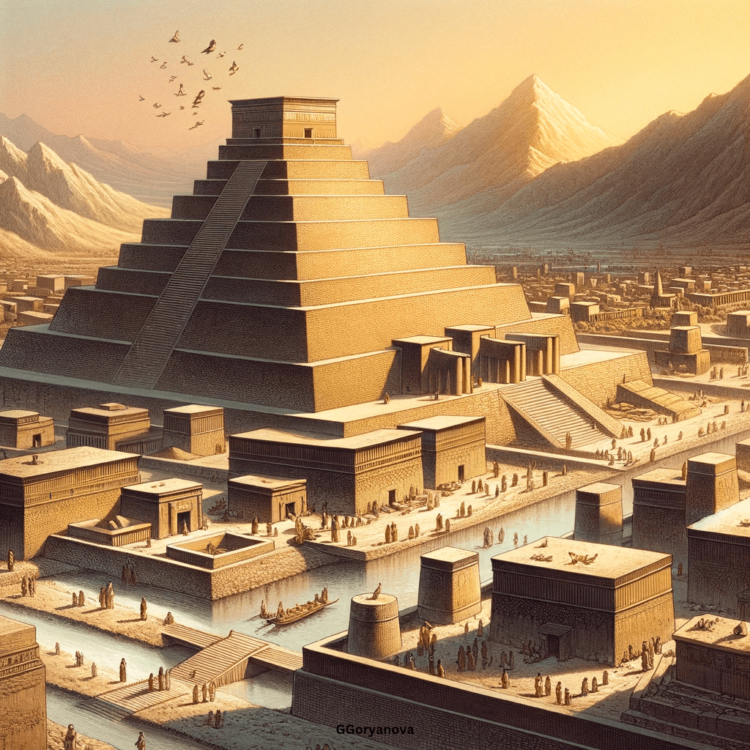
Uruk, one of the world's earliest major cities, played a central role in the development of human civilization. Located in the southern region of Sumer in Mesopotamia, modern Iraq, Uruk was a center of trade, politics, and religion and contributed greatly to the culture and technology of ancient societies.
Historical significance
The origins of Uruk date back to around 4000 BC and reached its peak between 3500 and 3000 BC. It was one of the first major cities in history and an important centre in the ancient world. It is associated with the earliest innovations in urban life, including the development of city planning, monumental architecture, and complex administrative systems.
Trade and Economy
The city is strategically located at the crossroads of important trade routes, facilitating the exchange of goods, ideas and culture. It is a bustling centre for trade in commodities such as: grain, livestock, fish, cane and textiles. It is also known for its craftsmanship in ceramics, metalworking and other materials. The city's craftsmen were highly skilled and their products were sought after throughout Mesopotamia and beyond.
Policy and administration
As one of the earliest examples of a true city-state, Uruk was a political power in ancient Mesopotamia. It was ruled by a king-priest who wielded religious and political power.
The city developed one of the earliest forms of writing, cuneiform, originally used for archiving and administrative purposes. This innovation was crucial for managing the city's complex economy and bureaucracy.
Religious and cultural influence
Uruk was a religious centre dedicated to the Sumerian goddess Inanna (later known as Ishtar), the goddess of love, beauty, sex and war. The main temple complex, Eana, is dedicated to her worship.
The city features prominently in Sumerian mythology and literature, most notably in the Epic of Gilgamesh, where Uruk is described in great detail. Gilgamesh is said to have been the king of Uruk.
Archaeological significance
The location of Uruk was rediscovered in the 19th century and has since been an important centre of archaeological research, revealing a wealth of information about early urban societies. Excavations have uncovered monumental structures, including the famous ziggurat, and thousands of artifacts that provide insight into the daily life, beliefs, and practices of its inhabitants.
Ur
This city is famous for its impressive ziggurat and was once a coastal city-state that played a significant role in Sumerian culture.
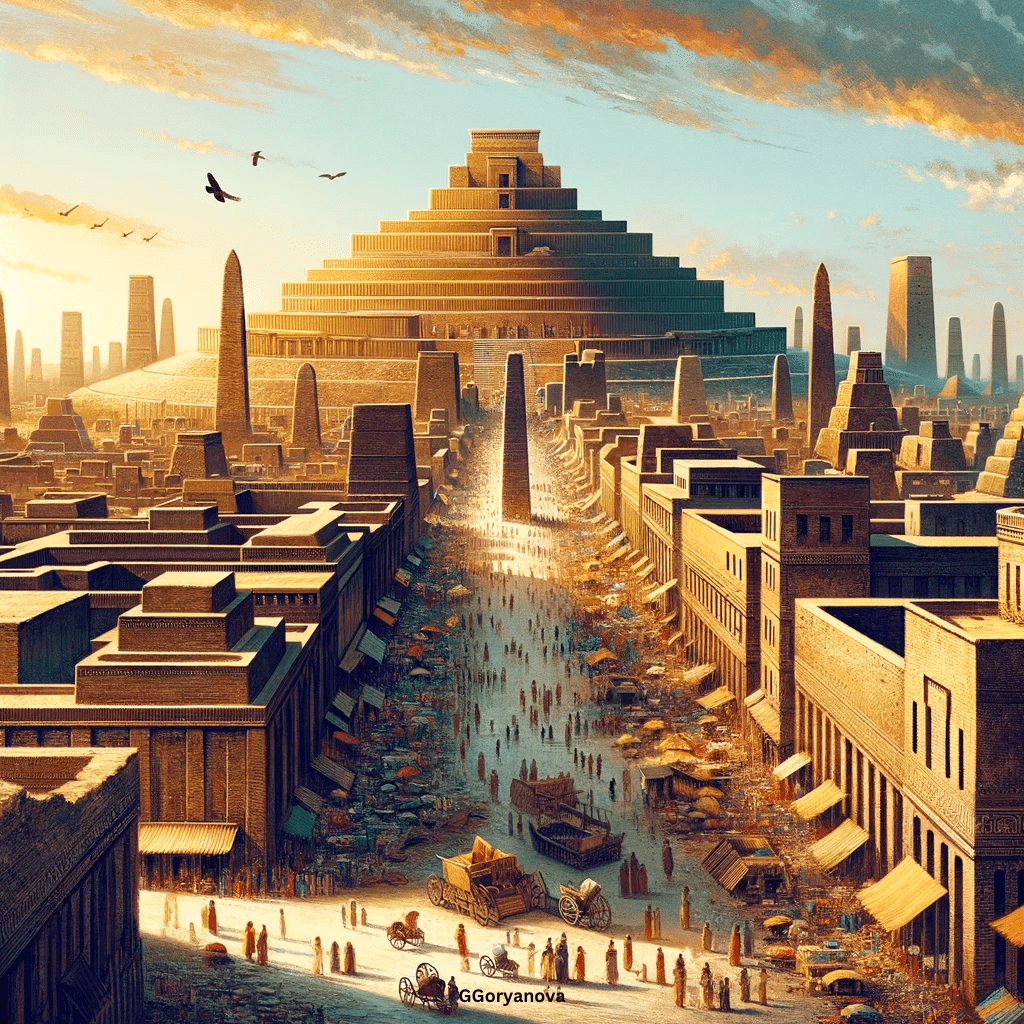 Ur, one of the most important cities in ancient Sumer, occupies a special place in Mesopotamian history. Located in what is now southern Iraq, Ur was a thriving coastal city-state, especially known for its impressive ziggurat and its central role in Sumerian culture.
Historical context
The origins of the city can be traced to the Ubaid period (c. 6500-3800 BC), but reached its zenith during the early dynastic period (c. 2900-2334 BC). Throughout its history, Ur was a leading political and economic center in ancient Mesopotamia, exerting considerable power over the region.
Architectural wonders
The most iconic structure at Ur is the Great Ziggurat, originally built by Ur-Namu and completed by his son Shulgi in the 21st century BC. This massive stepped pyramid served as a temple to the moon god Nana (Son), the patron deity of Ur. The impressive scale and design of the ziggurat symbolizes the religious devotion and architectural ingenuity of the city.
Ur is known, too, for its advanced urban planning. The city had well-designed streets, residential areas, and an elaborate sewer system, demonstrating the sophistication of Sumerian engineering.
Economic strength
Taking advantage of its coastal location near the Persian Gulf, Ur was a major centre for trade. It facilitated maritime trade with distant regions, including the Indus Valley, and was a focal point in the trade of commodities such as textiles, metals, and grains.
He was known for his craftsmanship, especially in metalwork and jewelry. The discovery of the royal tombs at Ur reveal an abundance of artifacts including: jewelry, musical instruments, and other luxury items demonstrating the city's artistic achievements.
Cultural and religious influence
The patron god of Ur, Nana, dominates the religious life of the city. The temple and ziggurat complex dedicated to Nana are among the most important religious sites in Sumer.
Besides being religiously dedicated, the city was a center for learning and literature. Many Sumerian texts, including hymns and myths, have been found in the ruins, indicating a rich cultural and intellectual life.
Archaeological significance
The archaeological excavations at Ur, especially those led by Sir Leonard Woolley in the 1920s and 1930s, have been key to understanding Sumerian civilization. The royal tombs of Ur, dating from the 3rd millennium BC, contain extraordinary artefacts and provide invaluable insights into Sumerian culture, art and social structure.
Read also: Introduction to Sumerian civilization
Nippur
Considered a religious centre, Nippur was dedicated to the god Enlil, lord of the air and the earth.
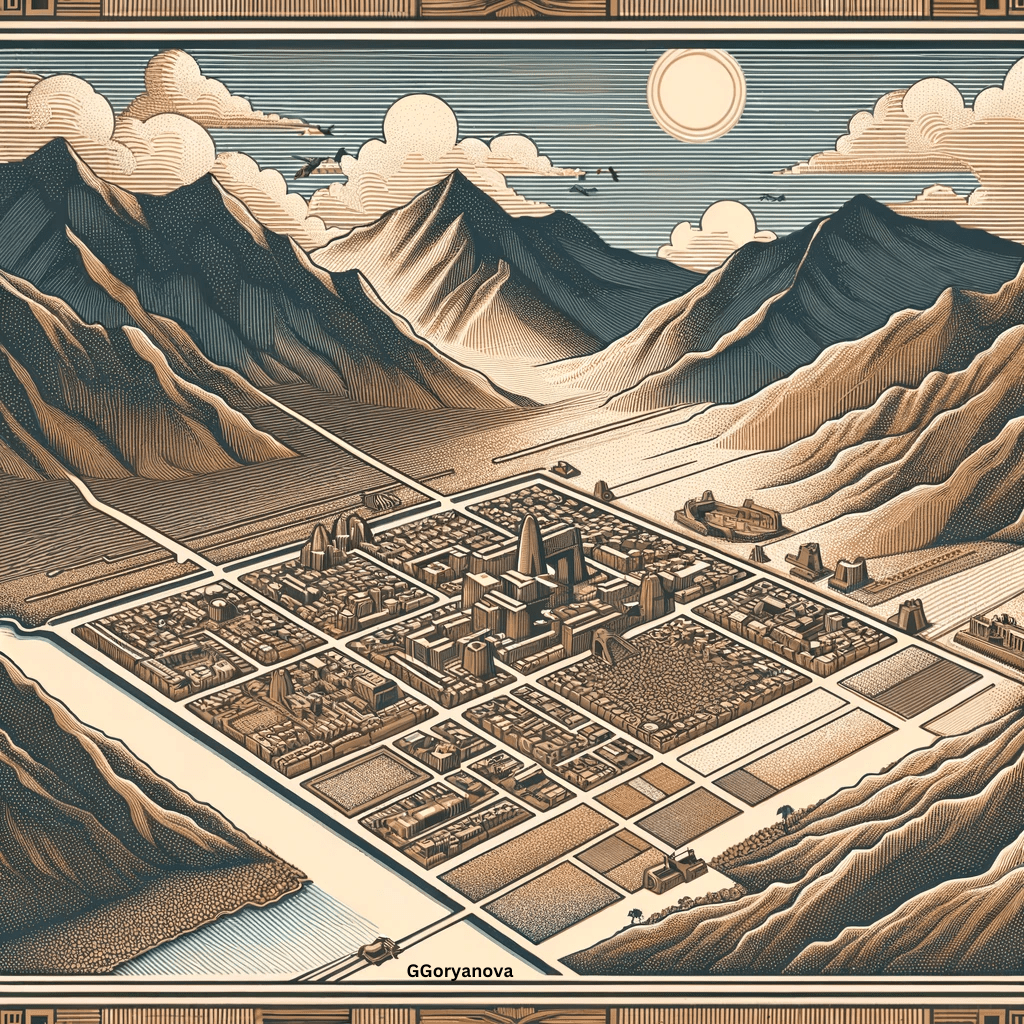
Nippur, an ancient Sumerian city located in modern-day Iraq, was one of the most significant religious centers in Mesopotamia. It had a unique position in the Sumerian world, mainly due to its dedication to the god Enlil, lord of the air and earth and one of the most powerful deities in the Sumerian pantheon.
Historical and religious significance
Unlike other Sumerian cities, which were political and economic centres, Nippur's main role was religious. It was considered the spiritual heart of Sumer, where the shrine of Enlil, the Temple of Ekur, was located. The temple complex of Ekur, meaning "Mountain House", is the central temple dedicated to Enlil. It is not only a place of worship, but also a cultural and political symbol representing the power of the gods over the kings of Sumer. Nippur was revered as a holy city, often remaining neutral in the political conflicts of the region. Its religious status allowed it to be a place of mediation and sanctuary.
Urban planning and development
Nippur was well planned, with the temple complex at its core. It had a large canal, the Nippur Canal, which was crucial for the city's water supply and connectivity to other regions. Surrounding the religious centre were residential quarters, commercial areas and other public buildings, reflecting the city's role as a bustling urban centre despite its predominantly religious character.
Cultural-Educational Centre
Nippur was a training centre. It had a scribal tradition and many scribes were trained here in the art of cuneiform writing. Numerous literary texts, religious hymns and administrative documents have been found in Nippur. The excavations conducted at Nippur give great insight into Sumerian religion, social structure and daily life. The tablets found in the ancient library of Nippur are invaluable for understanding Sumerian language and literature.
Archaeological significance
Nippur was excavated extensively in the late 19th and 20th centuries, revealing a wealth of information about Sumerian culture and religion. The artifacts and architectural remains found at Nippur, including those from the Temple of Ekur, are vital to understanding the religious practices and historical development of ancient Mesopotamia.
Lagash
Famous for its sculptures and various artefacts, Lagash has been a centre of art and architecture.

Lagash, an ancient Sumerian city-state, holds a remarkable place in Mesopotamian history for its rich contributions to art and architecture. Located near the Tigris River in what is now southeastern Iraq, Lagash flourished during the early dynastic period and was one of the key centers of civilization in ancient Sumer.
Historical overview
Lagash became famous in the third millennium B.C. It was one of the largest city-states in Sumer and often interacted with neighboring city-states, both through trade and warfare.
The city is known for its succession of powerful rulers, including Urukagina, known for his reforms to fight corruption and injustice, and Gudea, known for his pious and prosperous rule.
Artistic and architectural achievements
Lagash is particularly famous for its sculptures, especially those from the time of Gudea. These statues, often made of diorite, display a high level of craftsmanship and are among the most iconic examples of Sumerian art. Architectural innovation also originated here. The remains of temples and other buildings at Lagash show advanced construction techniques and an understanding of urban planning.
Cultural significance
Lagash has produced an abundance of art objects including statues, cylinder seals and stelae. These artifacts reflect the artistic culture of the city and the skills of its artisans.
Temples were not only religious centers, but also centers of cultural activity. They played a vital role in the social and religious life of the city.
Political and economic role
The city was an economic power in ancient Sumer, thanks to fertile farmland and trade routes. It was involved in extensive trade networks, trading in materials such as wood, stone and metals. In the region, the city's political influence was stable.The Urukagina reforms, for example, are some of the earliest known attempts at social reform and are seen as precursors to later legal codes.
Archaeological discoveries
Archaeological excavations reveal a wealth of artifacts and information about Sumerian life. The findings are critical to understanding the social, political, and economic structures of ancient Sumerian society. Artifacts from the reign of Gudea, provide insight into the religious beliefs, artistic styles, and daily life of the Sumerians.
Eridu
Believed to be among the oldest cities, Eridu is dedicated to the god Enki, god of water and wisdom.

Often referred to as one of the oldest cities in the world, Eridu holds a special place in the history of ancient Mesopotamia. Located in present-day southern Iraq, Eridu was considered sacred to the Sumerians, who believed it was the first city created by the gods. The city was dedicated to Enki, the god of water, wisdom and creation, reflecting its deep spiritual and cultural significance.
Historical context
According to Sumerian mythology, Eridu was the first city to be founded. Archaeological evidence suggests that its origins date back to around 5400 BC, making it one of the earliest known urban settlements. It flourished in the early period of Mesopotamian history, but began to decline around the end of the 3rd millennium BC, eventually being abandoned. Its early prominence, however, left a lasting imprint on Mesopotamian culture and mythology.
Religious significance
The most significant structure is the temple dedicated to Enki, known as E-Abzu. This temple, believed to contain an abzu, a sacred pool of fresh water, was central to the religious life of the city and a place of worship in Sumerian religion. The city's connection to Enki links it to the themes of creation, wisdom, and life-giving waters, making the city a focal point for these core elements of Sumerian belief.
Urban structure and archaeology
The layout of the city is typical of early Mesopotamian cities, with the temple being the central and most significant structure, surrounded by residential and administrative buildings. Excavations have revealed a series of temple buildings, each built on the remains of earlier structures, indicating a continuous religious tradition and architectural evolution over several millennia.
Cultural and economic aspects
As one of the earliest cities, Eridu played a crucial role in the development of Sumerian culture, especially in the fields of religion and mythology. While Eridu's primary focus was religious, it was also involved in agriculture, trade, and crafts, as indicated by archaeological finds, including pottery and other artifacts.
The significance of Eridu lies in the combination of historical reality and mythological lore. As an archaeological site, it provides a glimpse into the dawn of urban civilization, while its mythical status as the first city and dwelling place of Enki adds a rich layer of cultural and religious significance, contributing profoundly to our understanding of early Mesopotamian civilization.





 English
  Bulgarian